
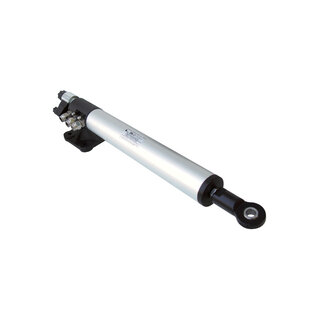
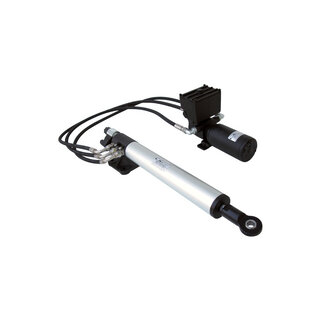

Hydraulic Steering Systems: Precise and Reliable Control for Your Vessel
A hydraulic steering system uses fluid pressure to transfer movement from the helm to the outboard or rudder, giving smoother and more controlled steering than a traditional cable system in higher-load applications. It is especially relevant on boats where steering effort increases with engine power, speed, rudder load or twin-engine layouts.
In practice, hydraulic steering is not only about comfort at the wheel. It is about more consistent control, better response under load and a steering setup that can also work correctly with autopilot systems when the hydraulic circuit is properly configured.
This is particularly relevant in installations using Lecomble & Schmitt hydraulic steering systems, which are widely trusted where precise steering response and dependable control matter.
Why Choose Hydraulic Steering?
Hydraulic steering is widely used when a boat needs more control than mechanical steering can comfortably provide.
Key advantages include:
- Smoother steering feel with less resistance at the wheel
- Better control on boats with higher steering loads
- More suitable for single-engine, twin-engine and rudder-based setups
- Cleaner integration with autopilot systems
- More predictable response during manoeuvring, cruising and higher-speed use
The main advantage is not simply lighter steering. It is the ability to handle steering force in a more stable and controlled way.
What to Look for in the Product Specifications
When choosing a hydraulic steering system, the most important point is not the product name. It is whether the helm, cylinder and hydraulic circuit are suitable for your boat and the way it is used.
In product descriptions, the most useful things to check are:
- Boat type compatibility: outboard, inboard, sterndrive or rudder steering
- Single-engine or twin-engine suitability
- Helm pump displacement
- Cylinder volume or cylinder capacity
- Whether the system is suitable for autopilot integration
- Corrosion-resistant materials and marine-grade sealing
- Compatible hoses, fittings and hydraulic fluid
- Any mention of balanced or unbalanced cylinders, where relevant
These are the details that determine whether the steering system will actually work properly on your boat. They are particularly important in installations where a Lecomble & Schmitt hydraulic steering system is expected to deliver smooth, accurate and reliable control under load.
How to Choose the Right Hydraulic Steering System
Choosing the right hydraulic steering system is mainly a question of correct sizing for the actual steering load, not simply choosing a popular kit.
For outboard boats, the system should be selected according to:
- Number of engines: single outboard and twin outboard setups do not use the same steering configuration
- Supported horsepower range: product descriptions should indicate the engine power range the system is designed for
- Steering load generated by the outboard: larger engines, higher speeds and heavier steering at the wheel usually indicate the need for a more robust hydraulic setup
In practice, product descriptions should clearly state whether the cylinder, helm and hoses are intended for single-engine or dual-engine use.
For inboard, sterndrive or rudder-based vessels, the key factor is usually rudder load or steering force, not just boat length. In these cases, buyers should focus on:
- Cylinder suitability: the steering cylinder must match the steering layout and the load the system needs to manage
- Steering layout: rudder-based, sterndrive and other configurations do not place the same demands on the steering system
- Helm displacement and cylinder volume: this match affects how quickly and how heavily the system steers in practice
If the system is badly matched, steering can feel too slow, too heavy or less precise than it should be. That is why the right hydraulic steering system is not just about choosing a category of product, but about selecting a system whose helm, cylinder and overall capacity are correctly matched to the boat’s real steering demands.
It is also important to consider how much steering assistance the boat actually needs. The main system types are:
- Manual hydraulic steering, a simple and reliable solution for boats with more moderate steering loads
- Power-assisted hydraulic steering, used where reduced wheel effort and more responsive control are needed on heavier, faster or more demanding boats
- Electro-hydraulic steering, typically used in more complex installations where electronic control, higher assistance or broader system integration is required
Hydraulic steering is usually the better fit where cable steering becomes too heavy, where the boat has higher horsepower, twin engines, greater rudder loads, or where the steering system will also need to work correctly with an autopilot. In these higher-demand applications, Lecomble & Schmitt is one of the names most often considered when buyers want a proven hydraulic steering platform.
Hydraulic Steering and Autopilot Integration
Hydraulic steering is often the part of the system that physically executes an autopilot command.
The process is simple:
- The compass or heading sensor provides direction data
- The autopilot calculates the correction
- The hydraulic steering system moves the engine or rudder
If a hydraulic steering system will be used with an autopilot, buyers should check whether the steering setup is compatible with the required drive unit, such as a reversing hydraulic pump for motor boats or a linear drive for sailing boats. The drive unit must be matched to the steering system so the rudder or engine responds at the correct speed and with proper control.
If you want to understand which autopilot drive type fits your steering setup, you can read our article on which Furuno autopilot suits your boat.
If you are building a wider steering and navigation setup, it also makes sense to review related categories such as marine autopilots and satellite compasses.
Installation Considerations
Even the right system can underperform if installation is poor.
Before installation, make sure that:
- The helm, cylinder and hose set are part of a compatible system
- The cylinder has enough clearance through the full steering range
- The system can be properly filled, bled and tested
- The specified hydraulic hoses, fittings and fluid are used
- The hydraulic circuit is kept clean during installation
Correct installation matters because hydraulic steering performance depends on system integrity, not only on the quality of the parts themselves. For buyers prioritising steering quality and long-term hydraulic dependability, Lecomble & Schmitt remains one of the most established names in this segment.
Frequently Asked Questions About Hydraulic Steering Systems
How does a hydraulic steering system work on a boat?
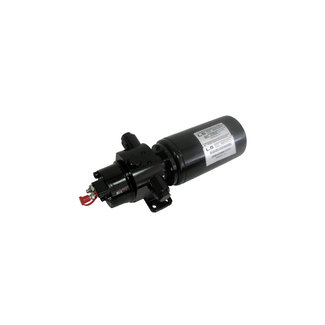
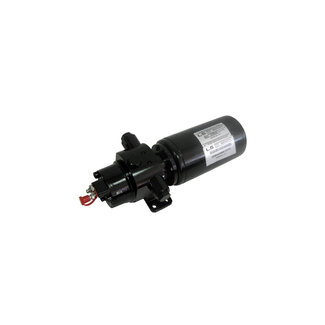
A boat hydraulic steering system transfers movement from the steering wheel to the outboard or rudder through hydraulic fluid. When the wheel turns, the helm pump pushes fluid through the hoses to the steering cylinder, which then moves the engine or rudder. This removes the long mechanical cable run found in cable steering and gives more consistent steering under load.
Is hydraulic steering better than mechanical steering for outboard boats?
For many outboard boats, especially those with higher horsepower or heavier steering loads, hydraulic steering is often the better option because it provides smoother control, lower wheel effort and better suitability for longer runs, higher speeds and more demanding manoeuvring. Mechanical steering can still be suitable for smaller and lighter applications, but it is usually less appropriate once steering loads increase.
Can a hydraulic steering system be used with an autopilot?
Yes. A hydraulic steering system for autopilot use is very common, because the hydraulic circuit is what physically carries out the steering correction. What matters is not only that the boat has hydraulic steering, but that the steering system is correctly matched for autopilot integration, including the right pump compatibility and steering capacity.
Do I need manual, power-assisted or electro-hydraulic steering?
That depends on the steering load and the type of installation. Manual hydraulic steering is generally suitable where loads are moderate and a simple, reliable system is enough. Power-assisted steering is more appropriate where steering effort would otherwise be high, such as on heavier, faster or more demanding boats. Electro-hydraulic steering is typically chosen for more complex setups where electronic control or higher levels of steering assistance are required.
What should I check before buying a hydraulic steering system?
The most important points are boat type, engine or rudder configuration, single- or twin-engine compatibility, helm displacement, cylinder capacity and autopilot suitability if relevant. These are the specifications that tell you whether the system is correctly sized for the steering load on your boat.
What autopilot drive type is used with hydraulic steering?
For motorboats, this is typically an EV or RV pump. For sailing boats, it is usually a linear drive. The correct choice depends on the boat type and steering arrangement. If you want to compare the options in more detail, you can read our article on which Furuno autopilot suits your boat.
What is the difference between single-cylinder and dual-cylinder steering on twin-engine boats?
On twin-engine boats, there are two common steering configurations. The most common solution is one cylinder connected to both engines with a tie bar, so both engines turn together.
A dual-cylinder setup places one cylinder on each engine, which provides more power, better balance and more precise control, especially on larger boats, higher-horsepower installations or where maximum steering performance is required.
Can I upgrade from mechanical to hydraulic steering?
In many cases, yes. A mechanical to hydraulic steering upgrade is common on boats where cable steering has become too heavy or no longer suits the performance of the vessel. The important point is to choose a system that matches the boat’s steering load, engine or rudder arrangement, and available installation space.
A Trusted Partner for Your Onboard Steering System
At Sail360, our focus goes beyond supplying marine equipment. Our goal is to help boat owners and professionals choose steering systems with confidence by providing the knowledge, products and support needed to make informed decisions before investing in onboard technology.
We believe that better steering performance starts with better system selection, which is why we make practical information available to support every stage of the buying process.
Through Sail360, you’ll find:
- Carefully selected hydraulic steering systems for reliable and controlled vessel handling
- Practical guidance on system sizing, installation considerations and compatibility
- Steering solutions suited to everything from straightforward outboard applications to more advanced autopilot-ready setups
- Reliable products from trusted marine steering manufacturers
Whether you are replacing an existing steering system or configuring a new hydraulic setup, our team is available to help you evaluate options, understand the key specifications and choose with confidence.