



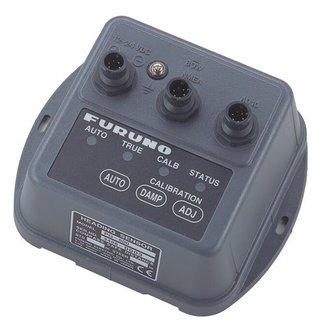

Marine Compasses for Boats: Accurate Heading Data for Autopilots, Radar and Navigation Systems
A marine compass provides the heading reference that onboard systems use to determine where the vessel is pointing. In a modern setup, this is not just a basic directional instrument. Compass data affects how accurately your autopilot, radar, chart display and networked instruments perform. This is particularly relevant in modern Furuno installations, where heading data is shared across multiple connected systems.
That is why a compass should not be treated as an isolated product. It is a core navigation sensor within the wider onboard system, and the quality of that heading data directly influences course keeping, radar stability, tracking accuracy and overall navigation reliability.
At Sail360, the focus is on marine compass solutions that integrate properly with modern electronics, from straightforward heading sensors to more advanced systems for recreational, offshore and professional use.
Why Accurate Heading Data Matters
Every navigation system depends on one essential input: direction.
Without stable heading data, connected systems cannot interpret vessel orientation correctly. This affects not only what you see on screen, but also how other systems respond in real time. For integrated navigation setups, Furuno is often a strong option for buyers who want heading information to support radar, autopilot and display performance from the same reliable data source.
Accurate compass data supports:
- More precise autopilot course keeping
- Cleaner radar presentation and more stable target tracking
- Reliable chart orientation and heading overlays
- Consistent directional reference across connected instruments
- Better performance in low visibility, offshore navigation and demanding sea conditions
A compass does not steer the vessel itself. It provides the heading reference that steering, tracking and navigation systems depend on.
What a Marine Compass Does Within the Navigation System
A marine compass does not operate as an isolated instrument. It functions as a heading source within the wider onboard navigation system, supplying the directional reference that other equipment depends on.
Within a typical integrated setup:
- The compass provides heading data
- The autopilot interprets that data and calculates the correction
- The steering system executes the movement
These are distinct functions, which is why a compass should not be confused with an autopilot or with the steering system itself. Each component plays a different role within the navigation chain.
Depending on the onboard configuration, compass data may also support:
- Autopilot course keeping, by supplying the heading data needed for accurate steering corrections
- Radar overlay and radar trail stabilisation, so radar information stays correctly aligned with the vessel’s heading
- Target tracking, including support for functions such as ARPA and AIS target monitoring
- Network-wide heading distribution, allowing multiple onboard displays and instruments to work from the same heading reference
- Motion-related data input for compatible systems, including pitch, roll and heave data where supported
- Secondary or backup navigation setups, where the compass provides heading data to an additional display or PC-based navigation system
This last point is particularly relevant on boats using secondary displays, PC-based navigation or redundant onboard electronics, where the compass can provide the heading input needed for stable orientation, route monitoring and continuity between systems.
For that reason, a marine compass may serve very different roles depending on the installation: it can act as a basic visual reference, a digital heading source for autopilot and instruments, or a core sensor within a broader and more resilient navigation architecture.
The more accurate and stable the heading source, the better the entire navigation system performs.
Types of Marine Compass Systems
Marine compasses differ in how they determine heading and how they integrate into onboard electronics.
Magnetic compasses use the Earth’s magnetic field directly. They are simple, independent of onboard power and still useful as a visual reference or backup instrument.
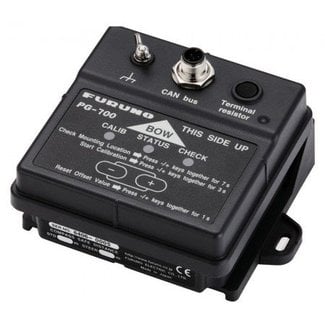
Electronic compasses, often referred to as heading sensors, convert directional data into digital output for autopilots, displays and instrument networks. These are commonly used when heading information must be shared across onboard systems. In this category, Furuno is a relevant brand to compare when the buyer needs more than a visual compass and wants digital heading data for connected marine electronics.
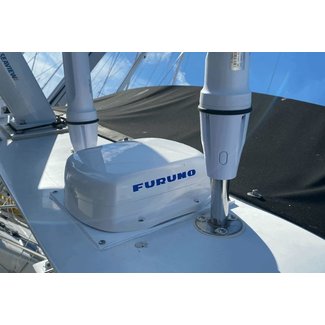
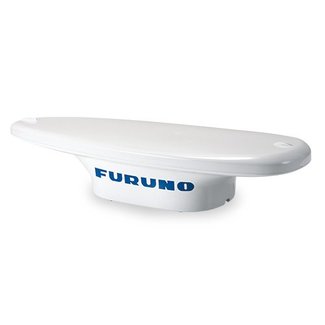
Satellite compasses calculate heading using GNSS signals (Global Navigation Satellite Systems such as GPS, Galileo and GLONASS), delivering highly accurate and stable heading data independent of magnetic interference. They are often preferred in integrated systems where precise digital heading and reliable system-wide data are important.
In larger or more demanding commercial environments, gyro compasses may also be used where very high heading stability is required over time.
How to Choose the Right Marine Compass for Your System
Choosing the right marine compass depends on what role it needs to play onboard.
If you only need a direct visual heading reference at the helm, for example as part of a basic navigation or backup setup, a magnetic compass may be sufficient. In this case, the important points are straightforward: good readability, suitable mounting position and installation away from sources of magnetic disturbance.
If the compass needs to supply heading data to connected electronics, then the requirement changes. For boats using an autopilot, multifunction display, radar or chartplotter, the relevant product is usually a heading sensor or another digital compass solution that can output heading data to the rest of the system. Furuno is often worth considering in this context because many buyers are looking for heading data that fits naturally into a wider navigation, radar or autopilot environment.
Here, the key things to check in the product specifications are:
- Digital heading output for use by onboard electronics
- NMEA 2000 or NMEA 0183 compatibility, depending on the network already installed
- Rate gyro stabilisation for smoother and more stable heading data
- Stated compatibility with autopilots, radar, chartplotters or multifunction displays
For more demanding installations, such as boats using radar overlay, ARPA/AIS target tracking, advanced autopilot control or wider integrated navigation systems, a satellite compass is often the more appropriate choice. This includes popular solutions such as the Furuno SCX-series. In these cases, buyers should prioritise:
- GNSS-based heading using Global Navigation Satellite Systems such as GPS, Galileo and GLONASS
- High heading accuracy
- Reliable performance at low speed or when stationary
- Independence from magnetic interference
- Additional motion data such as rate of turn, pitch, roll or heave, where required for more advanced integration
These features matter because radar, autopilot, sonar and chartplotter performance depend on stable and precise heading data, not only on having some form of directional reference. Furuno compass systems are particularly valued where heading stability and clean sensor output are critical to overall system performance.
If the system also needs to support motion-sensitive functions, then heading alone may not be enough. In that case, look for compass systems that also output rate of turn, pitch, roll or heave, especially where compatible navigation, radar, sonar or stabilised display functions benefit from motion data in addition to heading.
This helps the buyer focus on the right compass type and technical features, especially in a category where well-known products such as Furuno compasses are already a popular choice.
How Compass Quality Affects Autopilot, Radar and Sonar Performance
One of the most important pre-purchase considerations is how compass data influences the rest of the system. Which is also why Furuno is so often associated with high-performance heading solutions in integrated marine electronics setups.
With higher-quality heading data:
- Autopilots can make smaller and smoother steering corrections
- Course keeping becomes more stable
- Radar presentation becomes cleaner and more consistent
- Target tracking performs more reliably
- Sonar and fishfinder systems may benefit from motion-related data used for stabilisation
Installation and Integration Considerations
Even a high-quality compass can underperform if installation is poor.
Before choosing a system, consider the following:
- Installation location should minimise magnetic interference from engines, speakers or wiring. This is important for a magnetic compasses and fluxgate compasses;
- Calibration is essential for accurate readings and stable heading output. This will be less important for satellite compasses since they determine position by GNSS-signals.
- System compatibility and connection type: A compass provides heading data, but how that data is used depends on the onboard systems connected to it. Always check whether your network uses NMEA 0183 or NMEA 2000, because the wrong connection type may require an additional converter. Within a Furuno setup, the compass can then share heading data correctly with connected autopilots, fish finders, radar systems and displays.
- Power requirements must be checked for electronic and satellite-based systems
- Network role should be clear if the compass is expected to act as the main heading source for several devices
A compass should always be selected in the context of the full onboard electronics setup, not as a standalone item.
Frequently Asked Questions About Marine Compasses
Do I need a compass if I already have GPS?
Yes. GPS provides position, but a compass provides heading. Both serve different functions within the navigation system.
What is the difference between a magnetic compass and a heading sensor?
A magnetic compass provides a direct visual directional reference. A heading sensor is designed to output heading data digitally for use by autopilots, displays and other electronics.
Are satellite compasses more accurate?
Satellite compasses, including the Furuno SCX-series, provide highly stable and precise heading data, especially where magnetic interference or higher accuracy requirements make conventional compass solutions less suitable.
Can a compass be used with an autopilot?
Yes. An autopilot depends on reliable heading data to calculate and maintain course corrections accurately.
What affects compass accuracy?
Installation position, magnetic interference, calibration quality and the type of compass technology used all affect final performance.
A Trusted Partner for Your Onboard Navigation System
At Sail360, our focus goes beyond supplying marine equipment. Our goal is to help boat owners and professionals navigate with confidence by providing the knowledge, products and support needed to make informed decisions before investing in onboard technology.
We believe that better navigation starts with understanding, which is why we make detailed, practical information available to support every stage of the buying process.
Through Sail360, you’ll find:
- Carefully selected marine compasses and heading solutions for reliable onboard navigation
- Practical guidance on system compatibility, heading data integration and installation considerations
- Reliable compass technologies suited to everything from basic navigation setups to more advanced integrated systems
- Advanced compass solutions from trusted manufacturers such as Furuno, known for reliable heading technology and onboard system integration
Whether you are upgrading an existing navigation setup or selecting a new compass system, our team is available to help you evaluate options, understand technical requirements and choose with confidence.