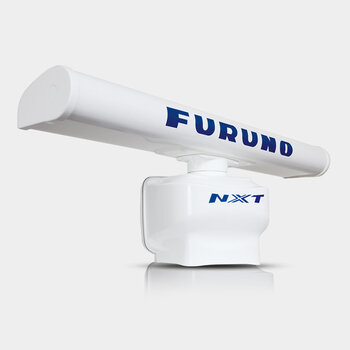

Navigate with greater confidence using FURUNO radar systems for clear target detection at sea. For expert advice from Sail360, see our guide at the bottom of this page.
Marine radar systems help you detect vessels, coastline, weather and fixed obstacles when visibility is reduced, traffic is busy or visual reference is not enough. By transmitting radio waves and processing the returning echoes, the radar creates a visual image of nearby targets that supports safer navigation and better decision-making at the helm.
This matters because radar adds information that cannot always be confirmed quickly by sight alone. In poor visibility, at night, in busy coastal traffic, or when approaching land, it helps you identify surrounding targets earlier and understand the situation more clearly. Radar does not replace chartplotters, AIS, or visual watchkeeping, but it gives you an additional layer of awareness that becomes especially valuable when conditions are less predictable.
At Sail360, Furuno marine radar systems are among the most chosen options by customers who want dependable radar performance without overcomplicating the helm. Their strength is not only brand reputation, but the combination of clear target presentation, reliable detection and practical integration with Furuno MFDs.
A marine radar system is designed to detect objects around the vessel and present them in a way that helps you interpret your surroundings more confidently. Depending on the conditions, radar can help you pick up other vessels, land, buoys, harbour structures, weather cells, and additional targets that may not be easy to distinguish visually.
The main benefits of marine radar on a boat include:
For many boat owners, this is where radar moves from being an optional upgrade to a practical safety tool for confident navigation.
Marine radar systems are available in several formats, depending on the vessel, the installation, and the electronics setup on board.
The main types include:
Each format serves a different purpose. The right choice should match how the boat is actually used, whether that means a compact integrated solution, a dedicated radar screen, or a radar scanner that fits into a wider onboard electronics network.
One of the most important technical differences when choosing a marine radar is whether the system uses solid-state or magnetron technology.
Solid-state radar is often chosen for features such as:
This makes solid-state radar a strong option for users who want faster readiness, cleaner target presentation and a more modern radar platform. This is also one of the reasons why Furuno solid-state radar ranges are among the most searched and most popular options in this category.
Magnetron radar remains an important and valid radar technology. It is still widely used because it offers:
The important point is not that one is always better than the other. They are different radar technologies, and the right choice depends on the boat, the installation, and how the radar will actually be used.
Not every marine radar is sold in the same product format, and this is one of the most important things to understand before buying.
A radar sensor system is mainly the scanner or antenna unit. It is designed to work with a compatible multifunction display, chartplotter, or integrated navigation platform. This matters if you already have a display environment in place and want to add radar without changing the whole system. Compatibility with the existing display and onboard electronics is therefore one of the first things to confirm before choosing a radar sensor.
A standalone marine radar system includes a dedicated radar display. This is useful when you want radar on its own screen, with radar-specific controls and a more focused workflow. It is often the better fit when radar is intended to be a primary onboard tool rather than just one function inside a multifunction display.
A PC-based radar solution displays radar through marine navigation software, typically using TIMEZERO software together with a compatible radar module. This matters if your navigation station is built around a computer, where radar, charts, routes, and AIS data are all used together in one software environment.
A wireless or app-based radar is designed for simpler installations. The main benefits are usually reduced cabling, easier installation, and more flexible viewing through mobile or wireless devices. This can be useful on smaller boats or in setups where simplicity matters more than a fully networked helm station.
Another key decision is whether the radar uses a radome or an open array antenna.
A radome radar uses a compact enclosed scanner. It is often easier to install and is common on smaller to mid-sized boats where space, mounting position, and overall simplicity are important.
An open array radar uses a larger exposed antenna. It is more often chosen for higher-performance applications, larger vessels, or more advanced installations where stronger long-range performance and more demanding radar use are part of the requirement. Because open array scanners are larger and structurally more demanding, an open array radar mount is often required to provide the right support, load distribution and installation stability.
This matters because the antenna format affects:
Before buying, you should check whether the boat and mounting location are better suited to a compact radome or to a larger open array installation. If the installation also requires a secure raised position, the right radar mount can help support stable alignment, reduce vibration and keep the scanner properly positioned above deck structures.
Not every radar system includes the same features, and not every feature matters equally for every boat. In this category, Furuno radars and Furuno MFDs are a useful reference point because many of these advanced radar functions are designed to work together within the same navigation environment. The most useful product descriptions should help you understand what each function does and why it matters in real use.
Some of the most important radar functions include:
Before buying a marine radar, the most important things to check are:
The right marine radar system is not simply the one with the highest specification on paper. It is the one that fits the boat, the onboard electronics, the installation conditions and the way you actually navigate.
The best choice depends on how your boat is equipped and how you want to use radar on board.
You may want to choose:
A good radar choice usually comes from matching three things clearly:
Once those three points are clear, it becomes much easier to narrow down the right system for the boat. For many buyers, that is also where Furuno radar systems stand out, especially in categories where reliability, target definition, and overall user confidence matter most. For a more detailed comparison of Furuno radar options, you can also read our guide on which radar suits your boat.
Which type of marine radar is the best choice for most recreational and cruising vessels?
For many recreational and cruising vessels, a solid-state radome radar is often the most balanced option. It combines compact installation, efficient power use, fast start-up, and advanced signal processing in a format that suits a wide range of onboard setups. This is also one of the reasons why Furuno radar systems, particularly in solid-state configurations, remain among the most sought-after products in this category.
What is the difference between solid-state radar and magnetron radar?
The difference lies in the transmission technology and the way the radar processes targets. Solid-state radar is generally chosen for its lower power consumption, faster readiness, and more refined short-range target handling, while magnetron radar remains a proven conventional solution with strong detection capability across many marine applications. For buyers looking for a more modern radar platform with advanced processing, solid-state is often the preferred route.
Should I choose a radome radar or an open array radar?
A radome radar is typically the right choice where compact dimensions, easier installation, and all-round recreational use are the priority. An open array radar is more appropriate for larger vessels or more demanding installations where system level, scanning performance, and operating profile justify a larger antenna format. In most standard leisure applications, a high-quality radome system is the more practical and commercially sensible choice.
Is a radar sensor sufficient, or is a standalone radar system better?
That depends on the display architecture already installed on board. A Furuno radar sensor is usually the better option when the vessel already has, or is being upgraded with, a compatible Furuno MFD or integrated navigation platform. A standalone radar system is more suitable when the boat has another electronics setup on board, such as Simrad, and the user wants radar functionality without replacing the wider system. The correct choice is primarily a question of integration logic rather than radar capability alone.
Which radar functions are the most relevant when comparing systems?
The most relevant functions are those that improve target interpretation, display clarity, and practical usability. These typically include target tracking, beam sharpening or image enhancement, clutter management, and radar overlay where system compatibility allows it. On higher-specification systems, these functions contribute more to real operational value than headline specifications taken in isolation.
Why is Furuno widely trusted in marine radar?
Furuno marine radars are especially well known for their reputation in radar performance, target definition, and long-term reliability. Within a category where buyers are often prioritising confidence, clarity, and proven marine electronics engineering, Furuno remains one of the brands most closely associated with professional-grade radar solutions. That is reflected not only in market reputation, but also in the fact that Furuno radar products continue to be among the strongest-selling systems in this segment.
At Sail360, our focus goes beyond supplying marine electronics. Our goal is to help boat owners and professionals choose marine radar systems with confidence by providing the knowledge, products, and support needed to make informed decisions before investing in onboard radar technology.
We believe that better radar performance starts with better system selection, which is why we make practical information available to support every stage of the buying process.
Through Sail360, you’ll find:
Whether you are replacing an existing radar, upgrading to a modern solid-state system, or configuring a new radar installation, our team is available to help you evaluate the options, understand the key specifications, and choose with confidence.