
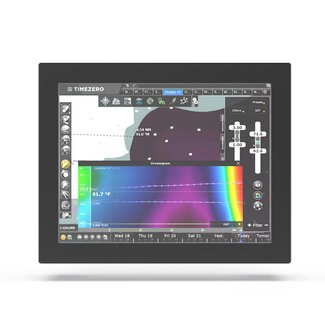
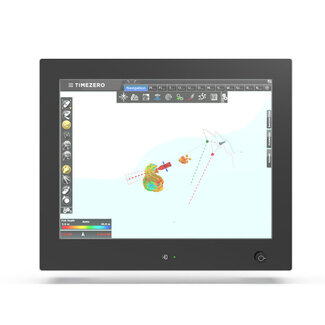
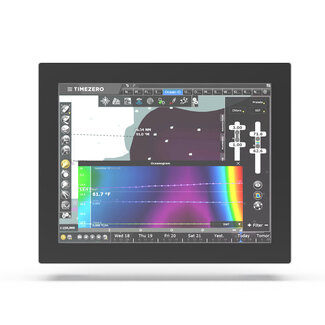
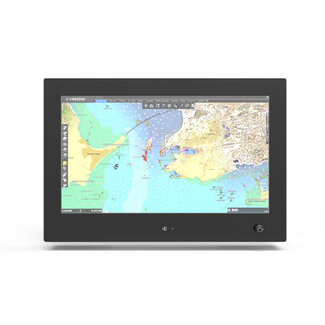
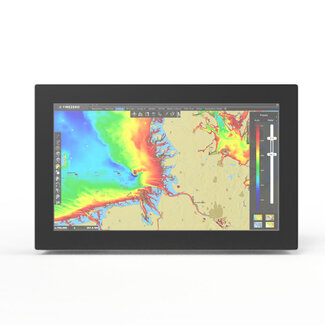
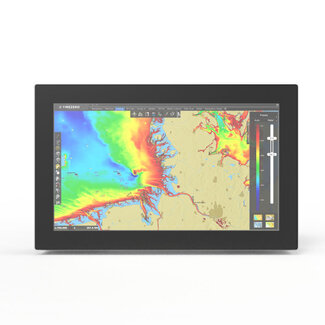
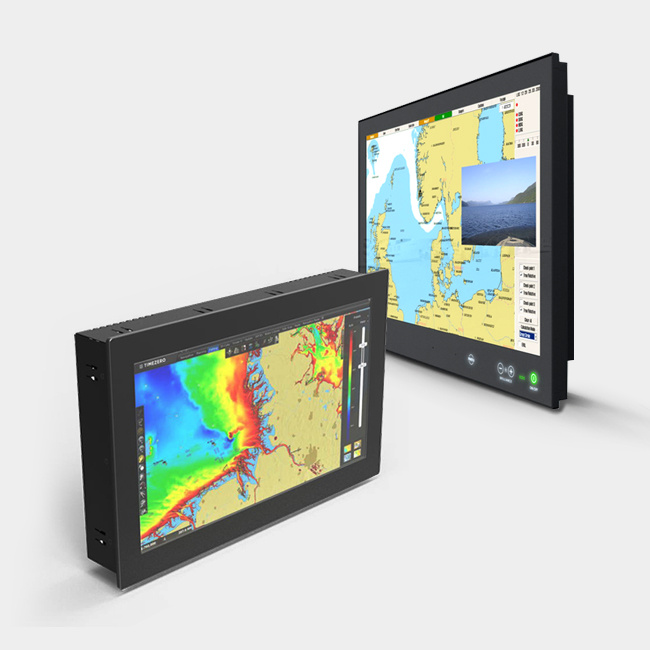
Professional Marine Monitors for Custom Bridge and Helm Displays
When navigation data is difficult to read, the whole helm becomes slower to use. Poor screen brightness, weak viewing angles or consumer-grade displays can make charts, radar, camera feeds and vessel data harder to interpret in sunlight, low light or demanding bridge conditions. Professional marine monitors solve this by giving the helm robust, high-visibility displays built for onboard use and for bridge layouts that need to be adapted around the vessel.
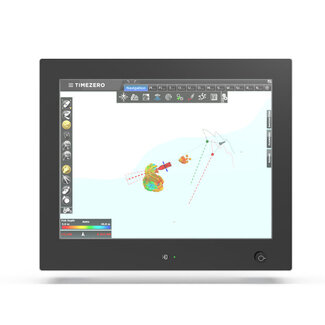
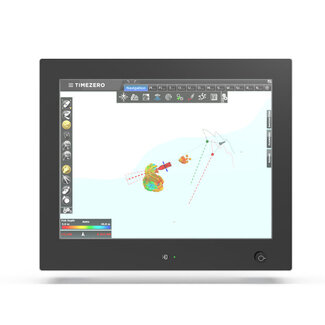
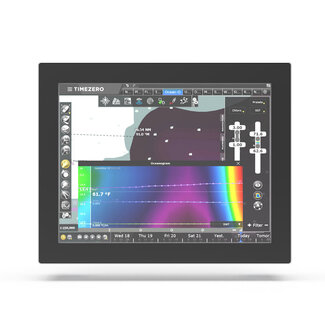
A marine monitor is not just an extra screen at the helm. In a custom bridge or multi-monitor setup, each display can have a clear operational role, whether that means showing charts, radar, camera feeds or monitoring data from the connected processor or video source. This gives the bridge a cleaner layout, improves readability where it matters most and makes the display setup easier to adapt when the vessel needs more screen space, a different layout or updated processing hardware.
At Sail360, you can compare carefully selected marine monitors from Hatteland and Nottrot, with options for yachts, professional bridges, refits, Furuno navigation processor setups and custom helm layouts where screen quality, durability, installation flexibility and long-term upgrade potential matter.
A More Flexible Way to Build Your Bridge Display Setup
A marine monitor is not the same as a chartplotter or multifunction display. An MFD combines the screen, processor and controls in one unit, which is practical for many boats but less flexible when the bridge needs a more customised display layout. A marine monitor works as part of a more modular setup, where the display and the processing hardware are separate.
In a Furuno Black Box setup, the Furuno NavNet TZTBBX Black Box processor functions as the processor unit behind the system, while the marine monitor provides the dedicated bridge display. This separation gives custom bridge layouts more freedom in screen size, positioning and future display upgrades.
This makes marine monitors especially relevant when the boat needs:
- More freedom in screen size and layout for charts, radar, monitoring or camera feeds
- A cleaner custom bridge design with displays positioned where they are easiest to read
- A modular navigation setup where the screen and processor are not locked into one all-in-one unit
- Better long-term upgrade flexibility, because the processor or connected system may be updated without automatically replacing every display
- Professional-grade visibility for sunlight, night operation and changing bridge conditions
- A multi-screen helm layout for yachts, workboats or professional vessels
- Flexible installation options for dashboards, bridges and refit projects
For professional users and demanding yacht owners, this modular approach is often the stronger route. Instead of replacing a complete all-in-one display when processing power, features or system requirements change, the bridge can be built around dedicated marine monitors and compatible connected hardware. The result is a more flexible, future-ready helm with better control over screen size, positioning and system upgrades.
Clearer Visibility Where Bridge Displays Work Hardest
A bridge display must stay readable when the boat is moving, the light changes or the operator needs fast access to navigation information. Standard screens can struggle with glare, brightness, dimming control and durability in marine environments. When the screen gets wet, visibility can drop further and touch operation may become unreliable, especially on displays not designed for onboard use.
High-quality marine monitors are built to support clearer reading of:
- Navigation charts and route planning screens
- Radar and target information
- Camera and CCTV feeds
- Engine, alarm or vessel monitoring systems
- Navigation processor or MFD interfaces
- Onboard computer or control system data
This is where brands such as Hatteland and Nottrot become relevant. Their marine monitor solutions are designed for demanding bridge environments where sunlight readability, wet conditions, vibration, humidity and long operating hours all affect performance. For yachts, commercial vessels and refit projects, the value is not only a clearer screen, but a display that remains usable when normal consumer monitors would quickly become a weak point in the helm setup.
The Right Monitor Depends on How the Bridge Is Built
For yachts and premium helm layouts, a marine monitor is useful when the owner wants a cleaner bridge design, more display area or a specific screen size that fits the available helm space. This setup is especially strong when visibility, aesthetics, installation flexibility and integrated control all matter.
For professional vessels and workboats, the priority is operational clarity. A marine monitor can support navigation, vessel monitoring, camera systems and fish tracking in a more durable format than a standard commercial screen. In this setup, brightness, dimming control, vibration resistance, power options and long-term reliability are key buying factors.
For refits and custom installations, marine monitors give more freedom than all-in-one displays. The screen can be positioned where it is easiest to read, while the processor or connected equipment can be installed separately. This is often the cleaner route for complex bridges, multi-display dashboards and systems that need a tailored layout.
Key Details to Check Before Choosing a Marine Monitor
Before choosing a marine monitor, focus on the specifications that directly affect visibility, compatibility and installation onboard:
- Display performance: check screen size, resolution, brightness, dimming range and viewing angles, because these define how clearly the monitor can be read in daylight, night operation and changing bridge conditions.
- Touch and control requirements: decide whether the installation needs touchscreen operation or a non-touch display connected to external controls, a Furuno Black Box processor or onboard computer.
- System compatibility: confirm the input connections, supported signal type and compatibility with the connected processor, Furuno Black Box MFD, navigation computer or camera system.
- Installation format: review mounting style, available panel space, cable routing, ventilation and power supply before choosing the final monitor.
- Marine environment: prioritise displays designed for glare, vibration, humidity and long operating hours instead of standard consumer screens.
Why Hatteland and Nottrot Are Strong Marine Monitor Choices
Hatteland marine monitors are a strong option for users who prioritise professional display quality, marine durability and proven bridge performance. They are especially relevant for yachts, commercial vessels and advanced helm layouts where screen readability and reliability are critical.
The Hatteland Series X Generation 3 range includes advanced display technology such as Glass Display Control™, LED backlighting, full dimming and multi-power options depending on the selected model. These features make the range well suited to navigation, monitoring and control environments where the screen must remain clear and dependable.
Nottrot marine monitors are a practical option for users looking for reliable maritime display solutions with strong relevance for European vessel projects. They are especially interesting for professional users, refits and commercial applications where delivery, integration flexibility and cost control are important purchase factors.
The right choice between Hatteland and Nottrot depends on the installation. For premium bridge environments and demanding professional display performance, Hatteland is often the stronger reference. For practical maritime monitor solutions with competitive value and European availability, Nottrot can be a smart route.
Frequently Asked Questions About Professional Marine Monitors
- What is a marine monitor used for on a boat? A marine monitor is used to display information from a navigation processor, Furuno Black Box MFD, onboard computer, camera system or vessel monitoring setup. It is mainly chosen when the boat needs a robust external display rather than an all-in-one chartplotter.
- Can a marine monitor work as a chartplotter? No, not by itself. A marine monitor normally needs to be connected to a compatible chartplotter processor, Furuno Black Box system or computer. For standalone GPS navigation, a marine chartplotter or multifunction display is the better choice.
- What is the best marine monitor for a Furuno Black Box system? For a Furuno Black Box system, focus first on the screen role: chart display, radar, cameras, fish tracking or vessel data. Hatteland is a strong choice for premium bridge performance and demanding use, while Nottrot is a practical option for reliable marine display performance with stronger cost control.
- Are Hatteland marine monitors good for yachts? Yes. Hatteland marine monitors are well suited to yachts and professional bridge layouts where visibility, durability, dimming control and high-quality screen performance are important.
- What should I check before buying a marine monitor? Check screen size, resolution, brightness, dimming, viewing angles, touch requirements, input connections, power supply, mounting type and compatibility with the connected processor or onboard system.
- What is the difference between a marine monitor and a multifunction display? A multifunction display combines the screen and processing hardware in one unit. A marine monitor works as the display and control interface for a separate navigation processor or onboard system. When connected to the right system, it can still be used to control charts, radar, sonar, cameras or vessel data, but with more flexibility in screen size, helm layout and future upgrades.
A Trusted Partner for Your Professional Marine Monitor System
At Sail360, our focus is to help boat owners and professional users choose marine monitors with more confidence by combining carefully selected products with clear, practical information about screen quality, onboard visibility and system compatibility.
Choosing the right marine monitor matters because the display becomes the visual interface for critical information at the bridge. A stronger choice starts with understanding how the monitor will be connected, where it will be installed and what information it needs to show.
Through Sail360, you’ll find:
- Carefully selected marine monitors from trusted brands such as Hatteland and Nottrot
- Practical information on screen size, brightness, dimming, mounting and input compatibility
- Options suited to yachts, professional bridges, Furuno Black Box systems and custom helm layouts
- Related equipment for complete marine display systems, including multifunction displays, remote controls and onboard electronics accessories
Whether you are upgrading a bridge display, building a Furuno Black Box setup or replacing a standard screen with a more robust marine monitor, Sail360 helps make the comparison clearer before you invest.