
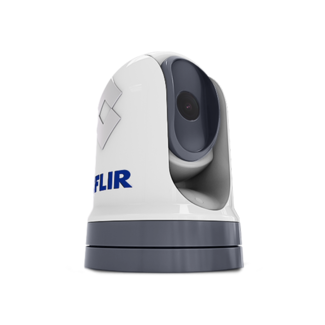
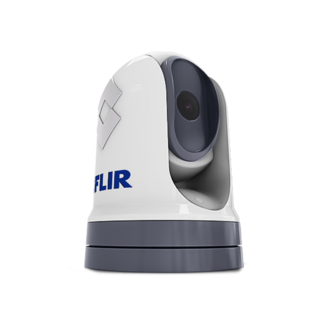
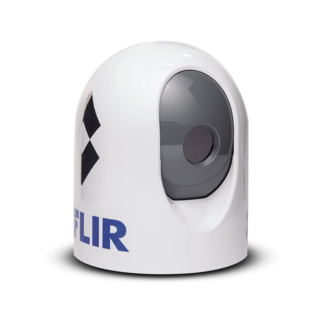
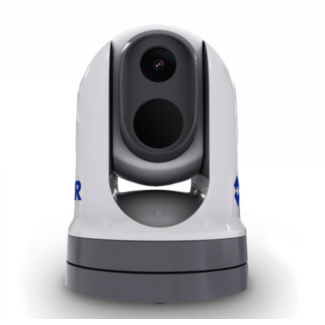
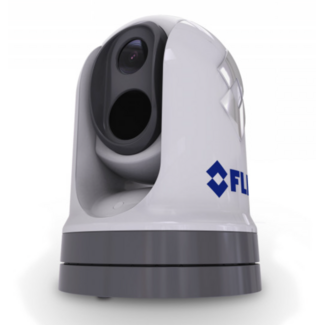
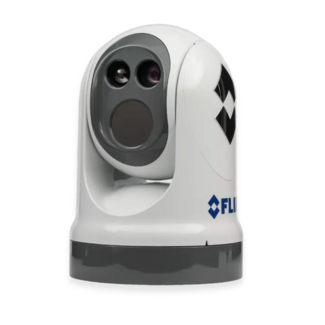
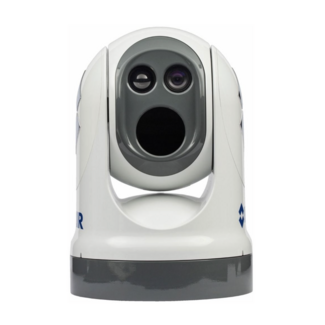
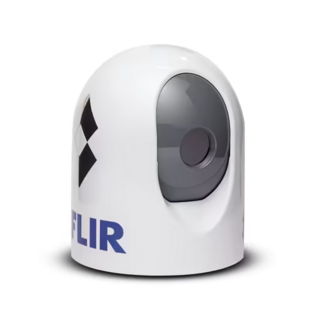
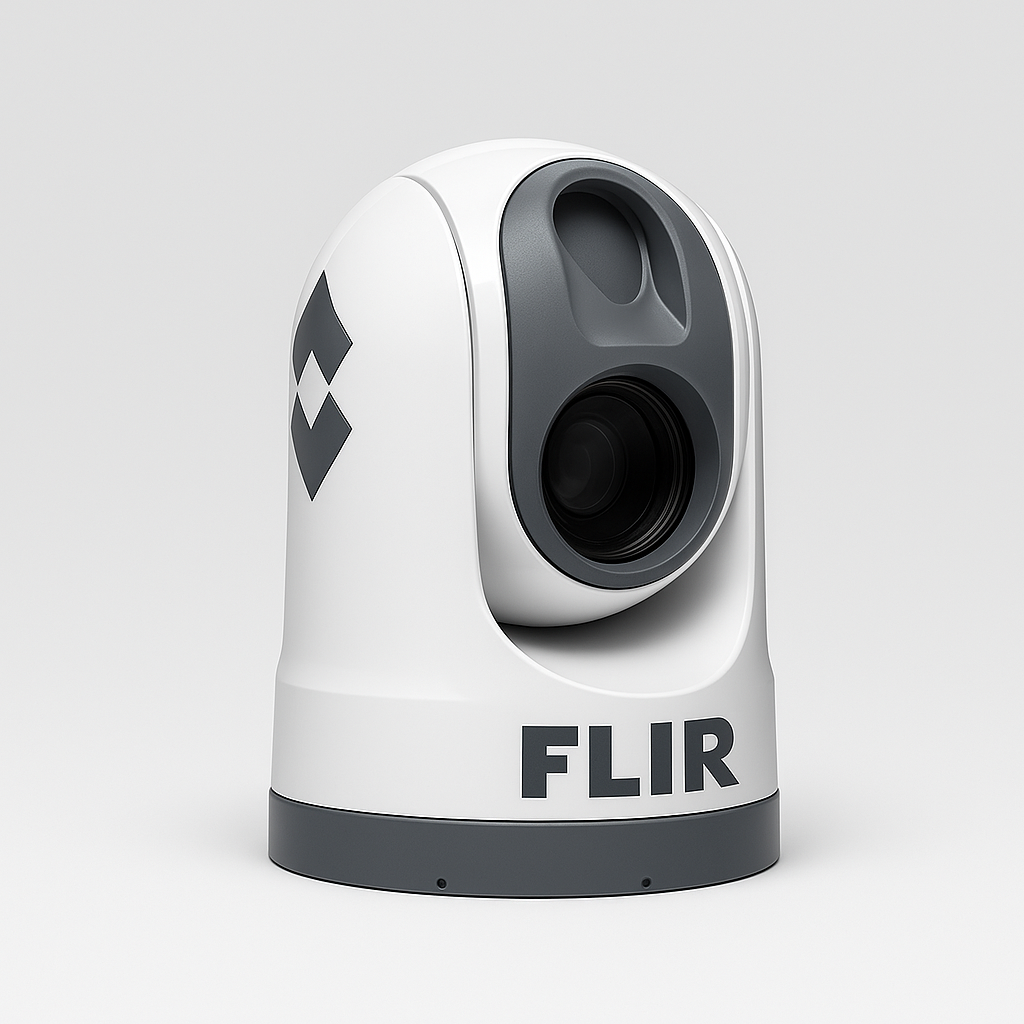
Marine Thermal & IP Cameras for Safer Navigation and Onboard Awareness
Poor visibility reduces reaction time, confidence and situational awareness at the helm. FLIR thermal cameras overcome these challenges by detecting heat signatures in real time, providing exceptional visibility beyond the limits of conventional vision. Whether identifying people, vessels, navigation markers or floating obstacles, they help skippers make faster, more informed decisions when every second matters.
Engineered for demanding marine environments, FLIR thermal cameras combine advanced thermal imaging with technologies such as high-resolution sensors, precision pan-and-tilt control, image stabilisation, ultra-low-light visible cameras and seamless MFD integration. From night navigation and offshore passages to fishing operations, marina manoeuvres and professional marine applications, they deliver superior onboard awareness, greater confidence and enhanced control whenever visibility is compromised.
FLIR Thermal Cameras for Confident Night Navigation
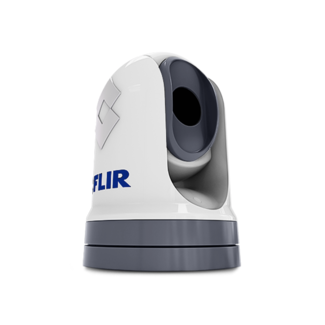
FLIR thermal cameras are a strong choice for boat owners who want more visual control in darkness, low light and reduced visibility. They detect temperature differences and convert them into a usable image on screen, helping the helm identify what is happening around the vessel when the eye cannot read the water clearly.
The most important difference between models is not only size or price level. It is the type of visibility support they provide:
- Compact thermal cameras are a practical choice for coastal boats, motorboats and users who want clearer night awareness without adding a complex camera system.
- High-resolution thermal cameras deliver sharper thermal detail, making them stronger for larger boats, night passages, fishing vessels and more demanding visibility conditions.
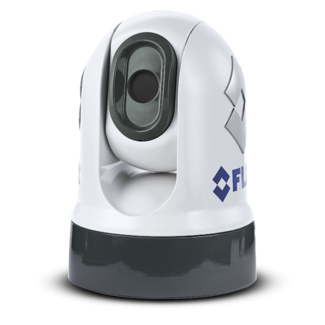
- Pan-and-tilt thermal cameras give the helm active control of the viewing angle, which is valuable when scanning harbour entrances, anchorages, traffic zones or activity around the vessel.
- Stabilised thermal cameras are better suited to boats exposed to motion, speed, swell or vibration, where a steadier image improves usability.
- Dual-sensor models combine thermal imaging with a visible low-light camera, giving a more complete visual reference in changing conditions.
For many buyers, this is where the value of a FLIR thermal camera becomes clear: it is not only about seeing in the dark, but about improving how quickly and confidently the helm can interpret the surroundings.
See a FLIR thermal camera in action on the water: the video below shows how thermal imaging appears in real navigation conditions and why image detail, camera movement and onboard visibility can make a major difference before choosing a model.
Choosing the Right Thermal Camera for Your Boat
A simpler thermal camera is usually the cleanest option for boat owners who want better awareness during night approaches, anchoring, marina exits or coastal cruising. It adds useful visibility support without making the helm setup unnecessarily complex.
A pan-and-tilt thermal camera is the stronger option when visibility is needed beyond one fixed direction. This is especially useful for yachts, fishing boats and professional vessels where the crew may need to scan port, starboard, ahead and around the anchorage from the display.
A high-resolution model is the better route when detail matters. More image detail helps the helm read shapes, movement and distance cues with greater confidence, especially on larger boats or in situations where the camera will be used regularly rather than occasionally.
A stabilised model becomes more valuable as boat movement increases. On faster boats, offshore routes or vessels exposed to swell and vibration, stabilisation helps keep the image more controlled and easier to interpret.
The strongest choice is the camera that matches the real use case: occasional coastal night awareness, regular low-light navigation, fishing operations, yacht manoeuvring or professional marine work.
Thermal Camera or Marine IP Camera?
Choose a thermal camera when the priority is night visibility, heat-signature detection and improved awareness in darkness or reduced light. This is the right direction for users who want to detect people, vessels, structures or obstacles when natural visibility is weak.
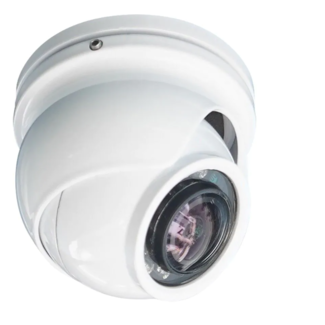
Choose a visible marine camera when the priority is low-light video monitoring, pan-and-tilt control and onboard visual awareness through a compatible display or video system. A model such as the FLIR M300C is better suited to visual monitoring and target identification than thermal heat-signature detection.
Before buying, define the main purpose clearly: thermal night awareness or visible low-light monitoring. That single distinction makes the product choice much easier.
What to Check Before Buying a Marine Thermal Camera
A thermal camera should be selected around performance at the helm, not just product appearance. Focus on the specifications that affect visibility, control and integration.
- Thermal resolution: standard resolution can support general awareness, while higher resolution gives stronger detail for demanding use.
- Camera movement: fixed-view cameras are simpler; pan-and-tilt models provide wider control from the helm.
- Image stabilisation: important for larger boats, faster vessels and installations affected by motion or vibration.
- Sensor type: some advanced models combine thermal imaging with an ultra-low-light visible camera for a more complete viewing setup.
- Display compatibility: confirm whether the camera works with the existing MFD, video input, network, software environment or control system.
- Mounting position: the camera needs a clear line of sight, secure placement and suitable cable routing for the installation.
A coastal motorboat, a fishing vessel and a professional workboat may all benefit from a thermal camera, but they do not need the same configuration. Resolution, control type and display integration should match how often and how seriously the camera will be used.
Frequently Asked Questions About Thermal Cameras
1.What is the best thermal camera for boats?
The best thermal camera depends on boat size, navigation style and how often it will be used in low visibility. For general coastal use, a compact FLIR thermal camera can be a practical choice. For yachts, fishing vessels, offshore use and professional boating, a higher-resolution pan-and-tilt model is usually the stronger option.
2.Are FLIR thermal cameras good for marine use?
Yes. FLIR thermal cameras are widely used in marine environments because they are designed to improve visibility and awareness in darkness, low light and reduced visibility. They are especially useful for night navigation, harbour approaches, anchoring and monitoring activity around the vessel.
3.Is a high-resolution thermal camera worth it on a boat?
A high-resolution thermal camera is worth considering when the boat is larger, used regularly at night or operated in more demanding conditions. Higher resolution gives a more detailed image, which helps the helm interpret objects, movement and surroundings with more confidence.
4.What is the difference between fixed and pan-and-tilt thermal cameras?
A fixed thermal camera looks in one direction and is usually simpler. A pan-and-tilt thermal camera can be moved from the helm, making it better for scanning harbour entrances, anchorages, traffic areas and different zones around the vessel.
5.Can a thermal camera help in fog or rain?
A thermal camera can improve awareness in many low-light and reduced-visibility situations, but performance depends on the model, weather conditions and thermal contrast between objects. Heavy rain, dense fog or low temperature difference can reduce image clarity, so the camera should be used as part of a complete navigation setup.
6.Do marine thermal cameras connect to multifunction displays?
Yes, but for Furuno NavNet integration, a FLIR camera can only be connected into the NavNet network through the Furuno NavNet TZtouch E Series or the Furuno NavNet TZtouchXL Series. Before buying, confirm the FLIR camera model, video connection, network setup and software requirements.
7.What is the difference between a thermal camera and a marine IP camera?
A thermal camera detects heat signatures and is mainly used for night navigation and low-light awareness. A marine IP camera provides a visible video image through a compatible network or display system. Thermal cameras are better for darkness and heat detection, while IP cameras are better for visible onboard monitoring.
8.Are thermal cameras useful for fishing boats?
Yes. Thermal cameras can be useful for fishing boats that leave early, return late or operate in low-light conditions. For regular use, a pan-and-tilt or higher-resolution model is usually more practical because it gives the crew more flexibility and a clearer image around the vessel.
A Trusted Partner for Your Thermal Camera System
At Sail360, our focus is to help boat owners choose thermal cameras and marine camera systems with more confidence by combining carefully selected marine products with clear, practical information about visibility, resolution, stabilisation, display compatibility and onboard use.
Choosing the right camera matters because this equipment directly affects how clearly the helm can understand the surroundings in low light, at night or in demanding conditions. A stronger choice starts with knowing whether the boat needs thermal imaging, higher image detail, pan-and-tilt control, stabilised viewing or visible monitoring through a compatible display.
Through Sail360, you’ll find:
- Carefully selected marine thermal cameras and camera options from trusted brands
- FLIR thermal cameras for night navigation, low visibility and improved onboard awareness
- Marine IP camera options for compatible display-based monitoring
- Practical product information on resolution, sensor type, stabilisation, mounting position and system integration
- Related marine electronics that may support a complete helm setup, such as multifunction displays, navigation equipment and onboard network components
A thermal camera or marine IP camera is an important onboard investment. Sail360 helps make that choice clearer with carefully selected camera options and practical product information on visibility, integration and onboard use.