
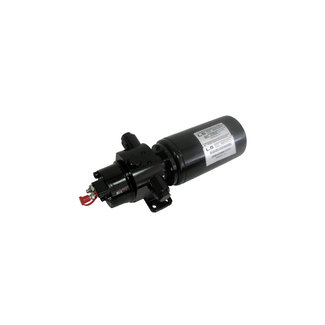
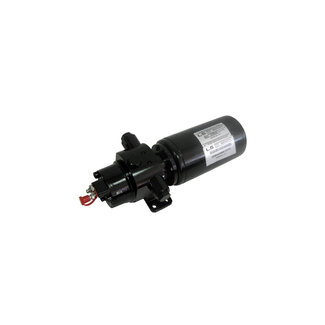
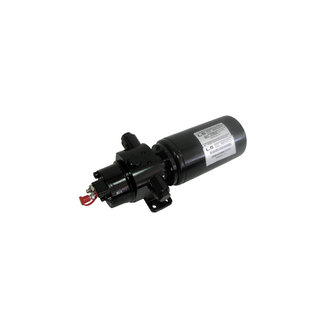


Hydraulic Steering Systems: Precise and Reliable Control for Your Vessel
Hydraulic steering systems give you smooth, precise and reliable control at the helm, using fluid pressure to eliminate the resistance and play found in mechanical steering.
Whether you’re maneuvering in tight harbors or cruising at speed, they deliver consistent handling, reduced effort and greater confidence in every situation.
As part of a complete onboard setup, hydraulic steering works seamlessly with autopilots to execute steering commands, ensuring accurate and controlled navigation at all times.
Why Choose a Hydraulic Steering System?
Hydraulic steering is widely used across modern vessels due to its reliability, smooth operation and ability to handle higher loads compared to mechanical systems.
Key benefits include:
- Smooth and precise steering, reduces resistance and provides consistent control
- Increased reliability, fewer mechanical components subject to wear
- Improved handling under load, ideal for larger or more powerful vessels
- Reduced steering effort, especially noticeable at higher speeds or during long passages
- Compatibility with advanced systems, supports integration with autopilots and navigation electronics
By delivering stable and predictable control, hydraulic steering systems form the foundation of a safe and efficient navigation setup.
Choosing the Right Hydraulic Steering System
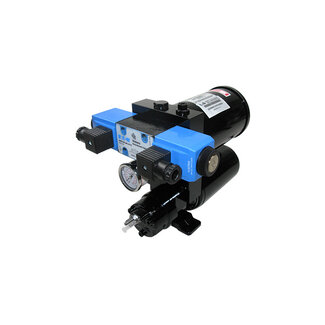
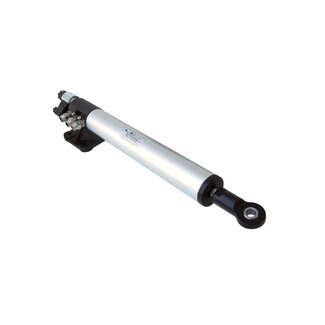
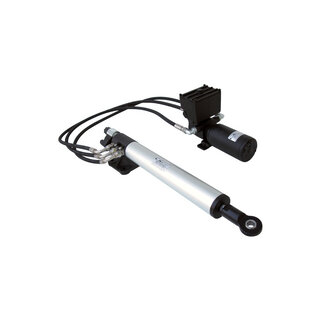
Hydraulic steering systems are configured based on your boat type, engine setup and steering load, typically combining components such as helm pumps, cylinders and hydraulic lines. Choosing the right system means matching these elements so that steering remains precise, responsive and effortless in real conditions, both at low speed and under load.
- What type of boat and engine setup do you have?
Your configuration determines the structure of the system:
- Outboard-powered boats, use compact hydraulic kits designed for single or twin engines, usually sized according to engine horsepower
- Inboard or sterndrive vessels, require more robust systems based on rudder size and steering forces
- Catamarans or twin-rudder setups, need synchronized systems to ensure balanced control across both rudders
- What level of steering assistance do you need?
Hydraulic systems differ in how much assistance they provide:
- Manual hydraulic steering, simple and reliable, suitable for smaller boats with lower steering loads
- Power-assisted systems, reduce steering effort and improve responsiveness, commonly used in mid-size and heavier vessels
- Electro-hydraulic systems, add electronic control and integration, typically used in more complex or multi-engine installations
The choice depends on the balance you need between simplicity, comfort and control.
- How much steering load does your boat generate?
System sizing is critical for performance and safety:
- Larger boats and higher speeds generate greater steering forces
- Systems must be matched to rudder torque or engine power, not just boat size
- Undersized systems can reduce responsiveness and increase wear
- How does it fit into your navigation system?
Hydraulic steering is the system that physically executes steering commands.
To achieve the best results, it should be considered as part of a complete navigation setup, working alongside instruments that provide accurate environmental and performance data, such as wind and speed measurement instruments.
If you want to better understand how heading accuracy impacts overall navigation performance, you can explore our article on how much a satellite compass can improve your navigation
Recommended for Different Boating Profiles
Hydraulic steering systems are particularly valuable in scenarios where control, reliability and ease of handling are essential:
- Recreational motorboats, benefit from smoother steering and reduced effort
- High-speed vessels, require stable and precise control under dynamic conditions
- Multi-engine setups, demand synchronized and balanced steering response
- Frequent harbor maneuvering, where precise control improves safety and handling
By adapting to different vessel types and navigation styles, hydraulic steering becomes a core element of onboard performance.
Important Considerations Before Installation
To ensure optimal performance, hydraulic steering systems should be properly selected and installed according to your vessel’s specifications.
- Correct system sizing, ensures reliable and responsive steering
- Professional installation recommended, particularly for complex or high-load setups
- Regular maintenance, helps preserve long-term performance and reliability
- System compatibility, must be confirmed when integrating with autopilots or other navigation equipment
If you are unsure about the right configuration, it is always advisable to seek technical guidance before installation.
Frequently Asked Questions About Hydraulic Steering Systems
How does a hydraulic steering system work?
It uses fluid pressure to transfer movement from the helm to the rudder or engine, providing smooth and consistent steering without mechanical cables.
Is hydraulic steering better than mechanical steering?
Hydraulic systems generally offer smoother operation and better performance under load, especially for larger or more powerful boats.
Can hydraulic steering be used with an autopilot?
Yes, hydraulic systems are commonly used in combination with autopilots, allowing automatic steering adjustments to be physically executed.
Do I need assisted or electro-hydraulic steering?
This depends on your vessel size, usage and desired level of comfort. More advanced systems are typically used in larger or more demanding applications.
Can I upgrade from mechanical to hydraulic steering?
In many cases yes, but compatibility depends on your boat and engine configuration. It is recommended to confirm requirements before upgrading.
A Trusted Partner for Your Onboard Technology
At Sail360, our focus goes beyond supplying marine equipment. Our goal is to help boat owners and professionals navigate with confidence by providing the knowledge, products and support needed to make informed decisions before investing in onboard technology.
We believe that better navigation starts with understanding, which is why we make detailed, practical information available to support every stage of the buying process. Through Sail360, you’ll find:
- Carefully selected hydraulic steering systems designed for reliable and precise vessel control
- Technical guidance on system sizing, installation and integration with onboard equipment
- Proven solutions from industry-leading manufacturers
Whether you are upgrading your steering system or configuring a complete onboard solution, our team is available to help you evaluate options and choose with confidence.