






Marine Instrument Systems: Wind, Weather, Speed and Depth Data for Better Navigation
Marine instrument systems turn sensor data into clear, usable information at the helm. Depending on the setup, they can display and organise wind data, speed through water, depth, weather information, course and other navigation values from connected sensors, transducers, GPS or compass sources.
That matters because accurate navigation depends on more than position alone. It also depends on understanding wind conditions, boat speed through the water, depth below the keel and other real-time data that affect performance, safety and decision-making. In an integrated onboard system, these instruments help the skipper interpret conditions more clearly, support better sailing and navigation decisions, and provide the data needed by connected systems such as autopilots, multifunction displays and repeat instruments.
Why Accurate Instrument Data Matters Onboard
Wind and speed instruments do not steer the boat themselves, but they provide the data that makes more precise control and better decisions possible.
Key advantages include:
- Real-time wind awareness: monitor changing wind speed and wind angle instead of relying on visual estimation alone
- More accurate performance data: understand how the boat is moving through the water, not just over the ground
- Better sailing decisions: trim sails, adjust course and assess angles using live wind information
- Improved coastal awareness: combine depth and speed data for safer manoeuvring in shallower water
- Stronger system integration: feed reliable sensor data into displays, multifunction systems and compatible autopilots
For sailing boats, this data is central to both performance and control. For cruising and motorboats, it improves awareness, route decisions and overall understanding of conditions underway.
What Marine Instruments Systems Measure and Display
In this category, you will find different types of marine instruments that provide above-water data at the helm, such as wind information, weather data, course and other navigation values. Unlike the transducer category, which focuses on measurements taken below the waterline, the products here are mainly used to monitor conditions around the vessel and support a clearer view of what is happening underway.
Wind-related instruments typically show values such as wind speed, wind angle, apparent wind and, where the system has the right inputs and processing, also true wind. Apparent wind refers to the wind measured relative to the vessel’s movement, while true wind provides a more useful reference for understanding actual conditions and making better sailing decisions.
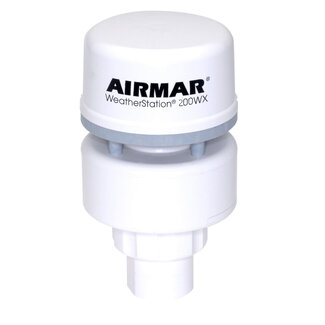
At first glance, wind products may seem similar, but they do not all generate and share data in the same way. For example, some all-in-one weather sensors can process measurements internally and send digital wind data directly to the onboard network, such as an NMEA 2000 system.
Dedicated wind sensors can work differently, outputting wind data that must first be processed by a compatible instrument or converter before it becomes usable across the wider onboard setup. This can support more advanced calculations, but it also means the system depends on the right components working together.
Speed instruments usually measure speed through water, which is different from GPS speed over ground. This matters because GPS speed includes the effect of current, while speed through water gives a clearer picture of how the vessel itself is performing through the water.
Some instrument displays can present a broader range of data, such as wind, speed, depth, course and weather information, depending on which sensors, transducers, GPS or compass sources are connected.
Together, these measurements help the user understand not only where the vessel is going, but also how efficiently and safely it is moving through its environment.
What to Look for When Choosing Marine Instrument Systems
The most useful way to compare products is not by model name, but by the data functions and system features they offer.
In product descriptions, look for details such as:
- Displayed data types: wind speed, wind angle, apparent wind, true wind, weather information, course and other connected navigation values
- Product role: dedicated wind sensor, all-in-one weather sensor, instrument display or repeater display
- Network support: NMEA 2000, NMEA 0183 or other onboard network compatibility
- Display format: standalone display, multifunction integration or repeated data across multiple screens
- Calibration and adjustment functions: important for accurate wind and weather data
- Expandable system design: useful if more sensors, displays or connected electronics may be added later
When comparing products in this category, it is important to understand whether you are looking at a dedicated wind sensor, an all-in-one weather sensor, or an instrument display that presents data from connected sources. The right choice depends less on the product name and more on what role it plays in the system, which data it can provide or display, and how it integrates with the rest of the onboard electronics.
How Marine Instrument Systems Fit Into the Navigation Setup
Marine instrument systems form part of the wider onboard data flow. Depending on the product type, they can measure, process or display information, and that data can then be shared with other connected electronics across the boat.
In practice, this means they can support:
- Helm displays and repeaters
- Multifunction displays
- Sailing autopilot functions, especially where wind angle is relevant
- Integrated navigation setups that combine wind data, weather information, heading, course and other connected onboard values
This is why these products are more than standalone instruments. In a connected setup, they help turn sensor data into clearer and more useful information at the helm.
Because instrument systems often work alongside compass and heading data in a connected onboard setup, it can also be useful to understand how heading accuracy affects the wider navigation picture. You can read more about that in our article on how much a satellite compass can improve your navigation.
Important Considerations Before Installation
To get reliable data, marine instruments need more than just the right display. They also depend on correct sensor placement, proper calibration and clean system integration.
Before installation, check that:
- The wind sensor can be mounted in a position with clean airflow and minimal disturbance
- The system matches the boat’s existing network and display architecture
- The display is readable and practical for the helm position where it will actually be used
Poor placement or incomplete calibration can reduce the value of the system even when the hardware itself is good.
Frequently Asked Questions About Marine Instruments
Do I need marine instruments on a motorboat?
Not always, but marine instruments can still be useful on motorboats for monitoring wind conditions, weather changes, course and other real-time navigation data, especially offshore or in exposed conditions. On sailing boats, this type of data is usually more central to performance and decision-making.
Can marine instruments work with an autopilot?
Yes. In the right setup, marine instruments can provide data that supports autopilot functions, especially on sailing boats where wind angle is relevant within the steering logic.
What is the difference between a wind sensor, a weather sensor and an instrument display?
A wind sensor is used to provide wind-related data. A weather sensor can supply a broader set of environmental measurements. An instrument display is used to show and organise data from connected onboard sources. The right choice depends on whether you need to measure data, display it, or build a more connected instrument setup.
What should I check before buying marine instruments?
The most important points are which data the product provides or displays, whether it is a sensor or a display, how it connects to your existing onboard network, and whether it can integrate with the rest of your electronics.
Can I start with one instrument display and expand the system later?
Yes, a good marine instrument system can often be expanded over time with additional sensors, repeaters or integration into a wider onboard network, provided the platform supports modular growth.
A Trusted Partner for Your Onboard Instrument System
At Sail360, our focus goes beyond supplying marine equipment. Our goal is to help boat owners and professionals choose instrument systems with confidence by providing the knowledge, products and support needed to make informed decisions before investing in onboard electronics.
We believe that better navigation starts with better data, which is why we make practical information available to support every stage of the buying process.
- Carefully selected marine instrument systems for reliable onboard data and clearer navigation awareness
- Practical guidance on sensor selection, display configuration and system integration
- Instrument solutions suited to everything from dedicated wind and weather data to more advanced connected display setups
- Trusted marine electronics from recognised manufacturers such as Furuno
Whether you are upgrading an existing instrument system or building a more complete navigation setup, our team is available to help you evaluate options, understand the key functions and choose with confidence.