
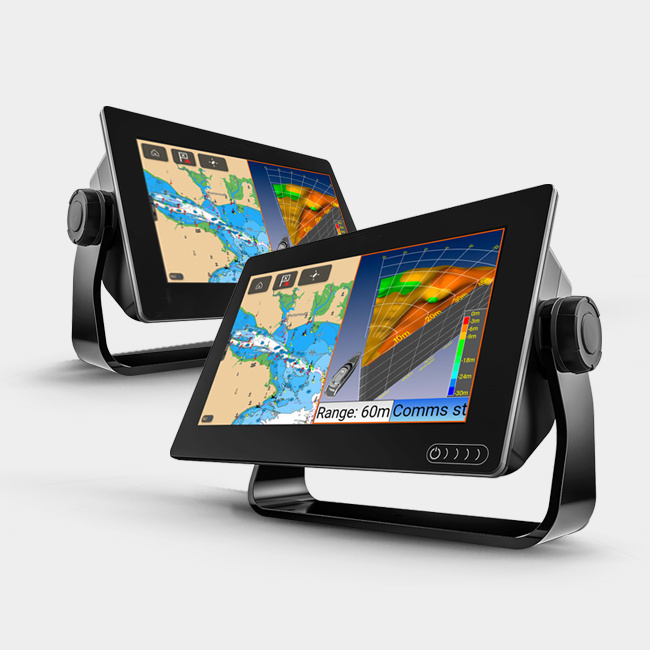
Forward-Looking Sonar: Real-Time Anticipation and Collision Avoidance
To navigate safely in challenging environments, you need to see what lies ahead, not just what has already passed beneath your keel. While traditional down-scanning sonar provides a historical record of the seabed, Forward-Looking Sonar (FLS) acts as an underwater radar for your bow. By projecting a beam ahead of the vessel, these systems provide the critical reaction time necessary to identify submerged hazards, reefs, and shallow banks before they become a threat to your hull's integrity.
Main Benefits: Why Install a Forward-Looking Sonar?
The primary value of an FLS system is the transition from reactive to proactive navigation. For boat owners exploring unfamiliar coastal waters or seeking a stress-free anchoring experience, this technology is the ultimate safety companion.
-
Frontal Obstacle Detection: Identify rocks, coral heads, and man-made obstructions up to 200 meters ahead of your current position.
-
Grounding Prevention: Real-time visualization of the seabed gradient allows for immediate course corrections in rapidly shoaling waters.
-
Safe Harbor and Cove Entry: Navigate through narrow channels and unknown anchorages with confidence, even in areas with shifting sands or low visibility.
-
Dynamic Depth Updates: Unlike static charts, a forward-looking system reveals the actual, current terrain, accounting for unrecorded hazards and ensuring a safe passage.
Compatibility: Is Your Vessel Suited for Forward-Looking Technology?
Our team at Sail360 emphasizes that hull shape and cruising speed are the most critical factors for optimizing frontal sonar performance.
-
Private Yachts and Cruisers: Ideally suited for motorboats and sailing yachts where steady, reliable frontal data is prioritized during coastal cruising.
-
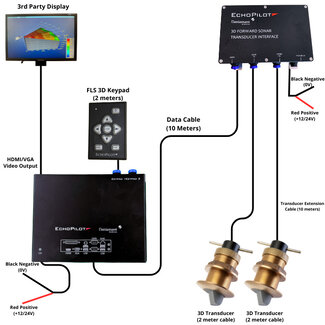
Hull Placement Strategy: Proper transducer placement is essential to ensure the forward beam remains unobstructed by the keel or other hull features.
-
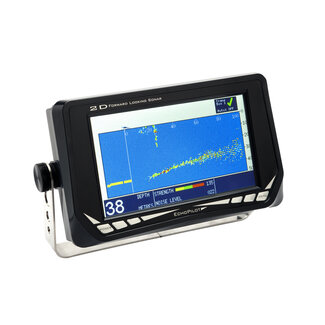
Seamless Display Integration: These sensors are designed to integrate with standard bridge displays, providing a clear 2D representation of the water column ahead.
Optimizing the View: Range and Resolution
To maximize the effectiveness of a forward-looking sensor, the system must be tuned to balance the distance of the scan with the clarity of the target.
-
Range vs. Depth Ratio: The effective forward range is typically 8 to 20 times the current depth. Understanding this ratio is key to interpreting the data correctly during coastal navigation.
-
Real-Time Refresh Rates: High-speed processing ensures the image on your bridge reflects the immediate environment, providing a continuous view of the "path of travel."
Recommended Use: Tailored for the Private Boat Owner
We recommend forward-looking sonar for owners who prioritize the safety of their crew and the long-term protection of their vessel.
-
Family Cruisers and Weekend Explorers: Perfect for those who want to improve navigational safety when entering new marinas or remote coves. It provides peace of mind for the owner-operator who wants to avoid accidental groundings and costly hull repairs.
-
Leisure Sailors and Adventurers: For owners who require maximum precision when navigating tidal waters or areas where the seabed is prone to change. It is an essential tool for those who enjoy "gunkholing" and want to be on point when exploring the limits of their draft.
Expert Advice: When to Consider Vertical Sonar Alternatives
To ensure you make the right investment, our team suggests evaluating your primary navigation goals before choosing an FLS system:
-
Fishing as a Priority: If your main objective is identifying individual fish species at great depths, a dedicated CHIRP thru-hull or transom mount is technically superior.
-
Operating at High Speeds: Forward-looking sonar is most effective at moderate speeds; for boats primarily operating on plane at high speeds, traditional depth sounders are more reliable for tracking the bottom.
-
Physical Installation: Ensure your bow area has sufficient internal access for a thru-hull installation forward of the midships for effective anticipation.
Frequently Asked Questions About Forward-Looking Sonar
-
How far ahead can I realistically see with an FLS? The forward range depends on the depth, but most systems provide a clear view of obstacles between 100 and 200 meters ahead of the bow.
-
Does it replace a traditional depth sounder? No. FLS is a specialized tool for navigation. It is designed to work alongside a downward-looking transducer for a complete understanding of the environment.
-
Is it effective in murky water? Yes, the sonar pulses penetrate through turbidity, although heavy silt or extreme aeration can slightly reduce the maximum range.
-
Which systems are compatible with Echo Pilot technology? Our range is curated to work with leading integration standards. At Sail360, we ensure that your forward-looking sensor communicates flawlessly with your bridge's processing units.
-
Can I use FLS for docking? While it provides a view of the seabed ahead, its primary use is for detecting terrain and large obstacles during transit rather than high-precision docking maneuvers.
A Trusted Partner for Your Onboard Technology
At Sail360, our focus goes beyond supplying marine equipment. Our goal is to help boat owners and professionals navigate with confidence by providing the knowledge, products, and support needed to make informed decisions before investing in onboard technology.
We believe that better navigation starts with understanding, which is why we make detailed, practical information available to support every stage of the buying process. Through Sail360, you’ll find:
-
Carefully selected forward-looking sonar systems for vessels where anticipation and collision avoidance are the priority.
-
Technical guidance on sensor placement and hull compatibility to ensure your system performs as expected.
-
Proven solutions from industry leaders, focusing on high-reliability maritime safety hardware.
Whether you are outfitting a new cruiser or upgrading your current safety suite, our team is available to help you evaluate options, understand navigational range, and choose with confidence.