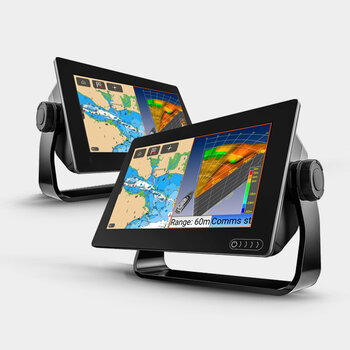

Depth sounder transducers give your boat the ability to see below the water, providing clear depth information, bottom awareness, and underwater visibility, allowing boat owners to navigate with confidence and make informed decisions on the water.
Depth sounder transducers are the key component that allows a boat to see what is happening beneath the water. They send and receive sonar signals that make it possible to measure water depth, understand bottom conditions, and identify underwater structures or fish activity. Without a transducer, a depth sounder system cannot provide reliable information below the boat.
Whether you are navigating unfamiliar waters, anchoring safely, fishing, or simply aiming to improve situational awareness on board, the transducer plays a central role in how accurate and consistent this information is.
This category is dedicated to depth sounder transducers for boats, bringing together clear explanations and practical guidance to support informed decisions. At Sail360, our commitment is to be a trusted partner for your onboard technology, helping you improve navigation and performance through knowledge and expert support.
A depth sounder transducer is a critical component on board any boat that relies on accurate underwater information. It is the sensor within the depth sounder system that enables reliable depth readings and meaningful sonar data by sending and receiving signals beneath the water surface.
In practical terms, the transducer is what allows you to understand what is happening below your boat and make informed decisions while navigating.
A depth sounder transducer is used to:
Although the information is displayed on a screen, the quality of the data depends entirely on the transducer. Its design, positioning, and suitability for the boat directly influence the accuracy and reliability of every depth and sonar reading.
Many boat owners look for solutions such as:
All of these functions are made possible by the right depth sounder transducer, even when the term itself is not yet familiar. Selecting an appropriate transducer is therefore a key step in achieving dependable performance, consistent readings, and confidence on the water,whether for cruising, sailing, or fishing.
A depth sounder transducer uses sound waves to collect information from below the waterline. It sends short sonar pulses into the water and receives the echoes that return after reflecting off the seabed or underwater objects.
This process allows the system to calculate depth and interpret underwater data in real time as the boat moves.
The basic working principle
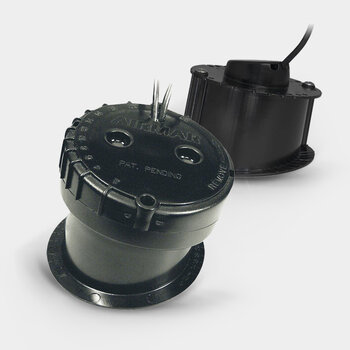
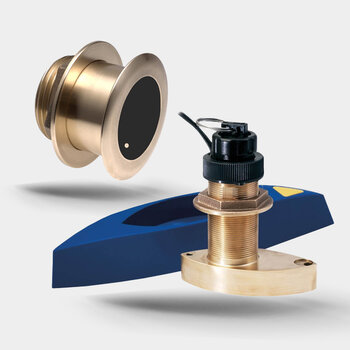
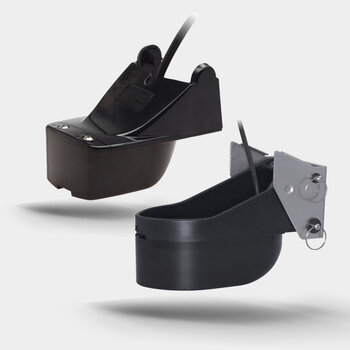
Common transducer mounting solutions
While the operating principle remains the same, transducers are installed in different ways depending on the boat and application. The most common mounting solutions are:
These mounting options are designed to suit different boat designs and usage scenarios and are explored further when choosing the right transducer.
Choosing the right depth sounder transducer depends on matching the transducer to your boat and how it is used. The following criteria help narrow down the right solution without overcomplicating the decision.
Boat Type and Hull Construction
Primary Use: Navigation, Fishing, or Mixed Use
Boat Speed and Operating Conditions
Level of Detail Required
A well-matched depth sounder transducer delivers clearer information, fewer signal issues, and more confidence on the water. Selecting the right type based on your boat and usage is a key step before exploring specific subcategories and product options.
The performance of a depth sounder transducer depends on how clearly sonar signals can travel through the water and return to the sensor. Certain boat-related factors directly influence reading accuracy and stability.
These factors explain why a transducer must be matched not only to the system, but to the boat, hull material, and typical operating conditions to ensure dependable performance.
1. What is the difference between a depth finder and a fish finder?
A depth finder is primarily designed to measure water depth and show bottom information, while a fish finder uses sonar technology to detect fish and underwater structures. Many modern systems combine both functions, but the level of detail depends on the equipment and the transducer used.
2. Can you see fish on a depth finder, or do you need a fish finder?
Basic depth finders mainly display depth and bottom shape. To clearly see fish, you need a system with fish finder or sonar capabilities and a compatible transducer designed for fish detection.
3. Where should a depth finder transducer be mounted on a boat?
A depth finder transducer should be mounted where it stays in contact with clean, undisturbed water. The ideal position depends on hull type and boat design, but the goal is always stable water flow to ensure accurate readings while moving.
4. How deep does a transducer need to be in the water to work properly?
A transducer must remain fully submerged during operation. If it rises out of the water or passes through air bubbles, the sonar signal can be disrupted, leading to unstable or inaccurate readings.
5. What is the difference between an in-hull and a thru-hull transducer?
An in-hull transducer is mounted inside the hull and does not penetrate it, while a thru-hull transducer is installed through the hull for direct contact with the water. The choice depends on hull material, required accuracy, and operating conditions
6. Is marine sonar suitable for both recreational and professional boats?
Yes, marine sonar is used on both recreational and professional boats. The difference lies in the level of performance, durability, and detail required for each application, as well as the type of transducer selected.
7. Can I upgrade my transducer without changing the rest of my system?
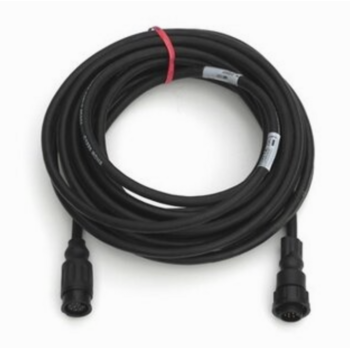
In many cases, yes. However, transducer compatibility depends on the depth sounder or chartplotter, supported frequencies, and connector type. Always check compatibility before upgrading a sonar sensor.
8. What should I check before buying a sonar sensor for my boat?
Before buying a sonar sensor, check hull material, boat type, typical operating speed, intended use (navigation or fishing), and system compatibility. Matching these factors ensures reliable performance and accurate readings.
9. Do I need a depth finder if I already have a chartplotter?
A chartplotter provides navigation and mapping, but it does not measure depth on its own. To see real-time water depth and bottom information, a depth finder and a compatible transducer are required.
10. Is a depth finder enough for safe navigation, or do I need sonar?
For basic navigation and depth awareness, a depth finder is often sufficient. Sonar becomes important when additional information, such as fish detection or detailed underwater structure, is required.
11. What should I choose if I mainly want to navigate shallow waters?
If you navigate shallow waters, prioritize a depth finder setup that delivers accurate and stable depth readings at low speeds. A suitable transducer matched to your hull and operating conditions is key.
12. Can a depth finder work without a transducer?
No. A depth finder requires a transducer to collect underwater data. Without a transducer, the system cannot measure depth or provide sonar information.
At Sail360, our focus goes beyond supplying marine equipment. Our goal is to help boat owners and professionals navigate with confidence by providing the knowledge, products, and support needed to make informed decisions before investing in onboard technology.
We believe that better navigation starts with understanding, which is why we make detailed, practical information available to support every stage of the buying process.
Through Sail360, you’ll find:
Whether you are upgrading existing equipment or selecting a new setup, our team is available to help you evaluate options, understand compatibility, and choose with confidence.